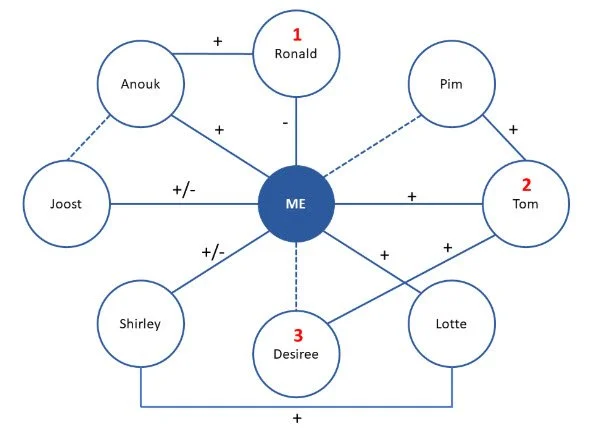
Authenticity: The Cheat Code to Influence and Wellbeing.
Now, for something completely different. :) Equally urgent, though… Maybe even more now, and not talked about enough. No matter how much we learn about and use AI to expedite our work, no matter how much faster we run with scissors, we still can't take the human out of decision-making. And that means politics and influence are still required. To gain influence, you need to understand people, and they need to understand you. (learn about influence maps!!!) That requires authenticity. And good news, authenticity leads to greater wellbeing and better work outcomes too! Read on to learn how you, too, can win friends and influence people, all while getting that test idea approved.
Stop Using A/B Tests to Validate Bad Product Decisions
Too many product teams treat experimentation as insurance for features they've already built. That's backwards. Validation A/B tests happen too late to influence product strategy. Innovation and validation tests should work together to build better products, reduce wasted development, improve learning, and grow the business.

Velocity Is Not Your Goal. It’s a Symptom.
If your dashboard is full of velocity charts, win rates, throughput metrics, and giant made-up “impact” numbers… congratulations, you probably have a scorecard. Whether you have a healthy experimentation program is a very different question. More tests do not automatically mean more learning, better decisions, happier customers, or a better product. Activity does not equal innovation.

AI Can’t Read Your Damn Website (humans can’t either)
For years, accessibility experts, technical SEO experts, and UX practitioners have been pushing many of the same ideas: semantic structure, clarity, readability, crawlability, reduced friction, and machine-readable experiences.
Now AI discoverability experts are saying the exact same things.
That may not be a coincidence.
As AI systems increasingly shape customer perception before a visitor ever reaches a website, organizations may need to rethink what optimization actually means. The future may belong less to clever experiences and more to understandable ones.
What if the websites best prepared for AI systems also happen to be better for humans?
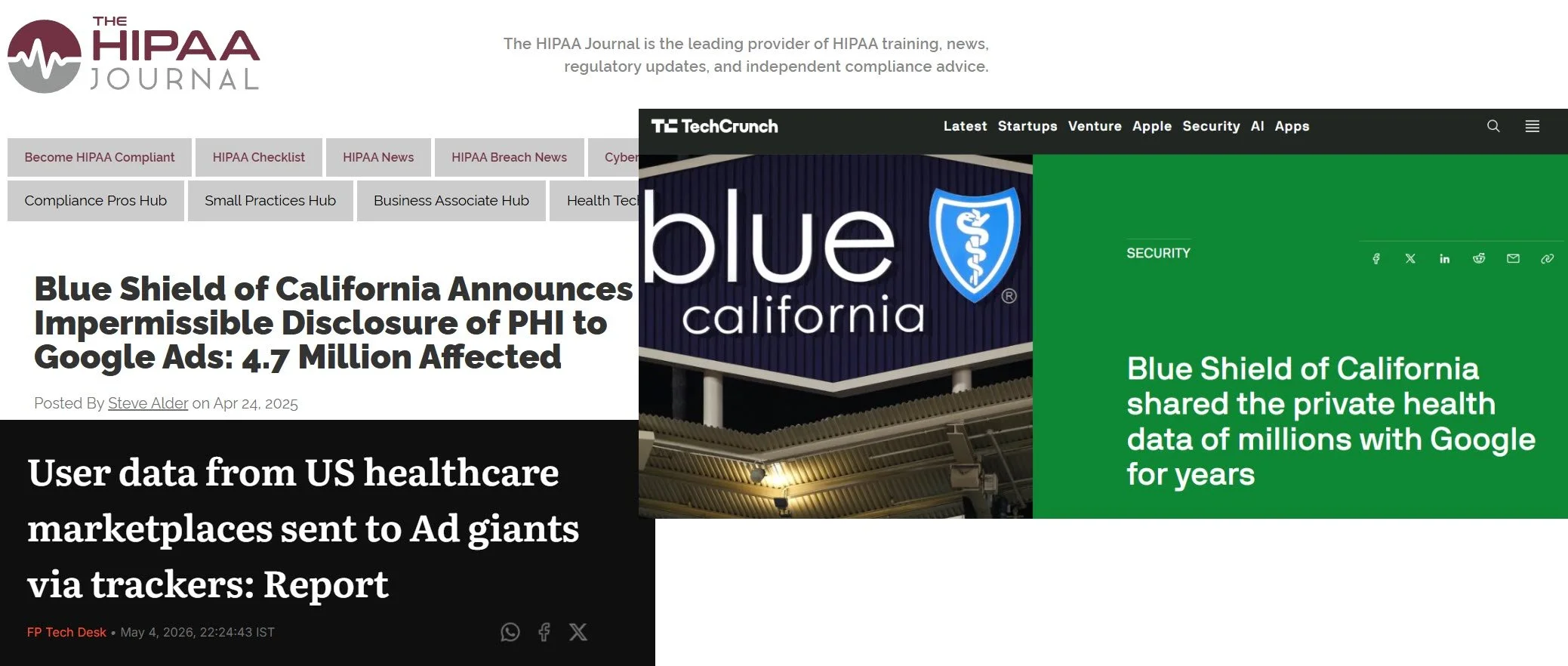
When Less Really Is More: Privacy and A/B Testing
We obsess over significance and sample sizes, but ignore a bigger issue: we’re collecting too much user data - and that leads to completely unnecessary risk - no matter how complicated your test. Even so-called “advanced” testing can work with aggregated data only, reducing privacy risk while delivering the same statistical power.
It’s About Damn Time
Conductrics has a new website. I know. I’m shocked, too. After 15 years of building quietly and refusing to market themselves like normal humans, they’re finally putting their story out into the world. And honestly, it’s about damn time.
And yes, the site looks great. But that’s not the point. The exciting part is what it represents: a team that has always prioritized customers over clicks, substance over noise, and doing the right thing over doing the easy thing is finally starting to show people how they actually think. Which, if you’ve ever worked with them, is kind of a big deal.
The Funnel Didn’t Break. It Just Moved Somewhere You’re Not Measuring.
We might be underreacting.
For the past decade, we’ve treated the website and our apps and products as the center of the decision-making universe. The place where users learn, compare, and decide.
That’s no longer where the most important part of the journey happens.
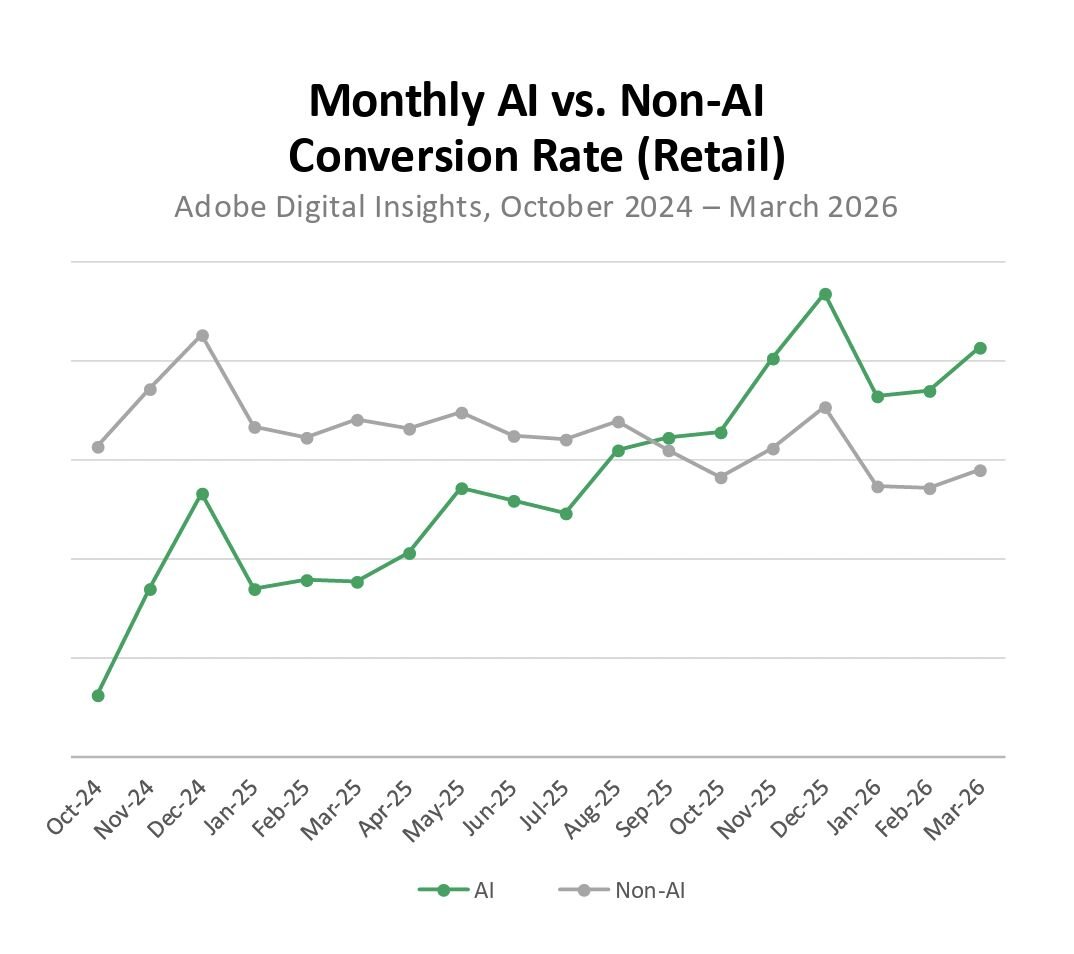
AI is now doing the comparison, filtering, and shortlisting before your customer ever reaches you. By the time they land, the decision is mostly made.
That creates a dangerous illusion. Conversion rates go up. Sessions get shorter. The data looks “better.” But you’re only seeing the users who made it through. The rest are invisible.
If we don’t adjust how we think about optimization, we risk getting really good at improving a shrinking piece of the journey.
Mapping GEO: Why Discovery Is Still Human
The more I learn about how people discover things online, the more I realize I had no idea what was happening. Turns out discovery isn’t “search” anymore. It’s AI summaries, Reddit reality checks, YouTube deep dives, and the occasional LinkedIn post that makes you question everything you thought you knew. In this conversation with Ross Simmonds, we unpack what’s actually changed (and what hasn’t), why trust still drives decisions, and why discovery is still deeply human… even when it’s happening through machines.
Finally Standing on (Statistically) Solid Ground: Mapping GEO
In this Mapping GEO interview, I sat down with Nick Haigler — whose calm delivery does absolutely nothing to prepare you for the scale of change describes when it comes to the impact for experimenters... We dug into why AI is shrinking traffic, boosting conversion, misrepresenting brands, and occasionally sending your customers into a maze guarded by velociraptors. (You’ll have to read to understand.) Nick helped me rethink what “good traffic” even means now, why familiar KPIs are acting feral, and how experimenters can adapt when LLMs pre-shape user intent long before anyone reaches your site. If you want a clear, data-driven look at GEO, AI Overviews, hidden demand, and the new rules of optimization, this conversation is exactly the grounding I needed… and maybe the grounding you need, too.

Mapping GEO: Reputation, Reality, and the End (?) of the Website
What happens when discovery no longer starts with a search box? In this provocative interview, digital strategist Jono Alderson argues that the traditional website is becoming obsolete as AI systems increasingly mediate how people find and trust information. Exploring the rise of “Generative Engine Optimization (GEO),” Alderson reveals how reputation, authenticity, and behavior now shape visibility more than keywords ever did. This piece dives into how brands can adapt to a world where AI builds reality from patterns of trust — and why differentiation, credibility, and human connection are the new cornerstones of optimization.

Mapping GEO: One Awkward Question at a Time
Last month, we introduced our new project, Mapping GEO—a year-long project where we ask experts, 'How do people find stuff today?' How will people find things tomorrow? Our goal is to tell the story of what’s happening in GEO (Generation Engine Optimization) and how that impacts us in the experimentation community. We’ll achieve this by conducting in-depth research and interviewing experts, collating the data and insights, and sharing all of this with you, our TLC community.
For our very first Mapping GEO interview, I sat down with Alisa Scharf of Seer to talk zero-click searches and AI overviews… and mostly just realized how little I know. (Spoiler: she’s brilliant, I’m fumbling.) The takeaway? Traffic may dip, but conversions don’t have to — if you know how to track the right metrics and your brand’s visibility. This article has the real wisdom (from Alisa, not me).

The Shifting Google Techscape

Your Answer to This Poll Is Not Personal Information

Did a Human Even Create This Poll?